
woman with technology background

The Importance of ISO TS 6253:2024 for Interpreter Education

Interpreting is a hands-on profession where interpreters work directly with people in real-world situations. Community interpreters face constantly shifting protocols, new systems, evolving terminology, and logistical challenges. On top of this, the rise of technology, including AI, is drastically impacting how interpreters find work, accept assignments, report on their tasks, get paid, and compete.

  • Can educational programs designed decades ago keep pace?
  • Are they truly preparing interpreters for today’s challenges?
  • How valuable is a stale program in such a fast-moving field?
  • Can asynchronous programs effectively train interpreters for dynamic, real-world environments?
  • Without opportunities to learn from mentors, peers, or expert instructors, what is truly being gained?

In addition to educational programs, the processes for certification and exams must also keep pace with the evolving needs of interpreters. Certification bodies should ensure that assessments reflect the real-world complexities interpreters face, such as technological advancements, confidentiality concerns, and the diverse nature of interpreting settings. Exams that fail to incorporate these elements may not fully prepare community and medical interpreters for the challenges they will encounter in practice. Just as training programs need to adapt, so too must the methods by which interpreters demonstrate their competency to ensure quality and professionalism in the field.

ISO TS 6253:2024 was developed to address the pressing need for educational opportunities for interpreters working in a wide range of languages, specifically within public service settings. While many regions offer excellent programs for conference interpreters and translators, these do not always align with the unique demands of public service or community interpreting. Interpreters in these roles require specialized training to competently and professionally navigate emotionally charged, dynamic, and intimate environments such as healthcare, law enforcement, education, social services, financial aid, and immigration. Unlike conference interpreters, who may typically work in teams and have access to more immediate support, public service interpreters often work alone and must rely on a broad set of well-developed skills beyond language proficiency. Moreover, public service/community interpreters are often dealing with various professionals—doctors, border officials, financial aid workers, social workers, teachers—who may not fully understand the role or responsibilities of the interpreter.

ISO TS 6253:2024 Requirements and recommendations for training programmes in community interpreting addresses the unique educational needs of community interpreters and takes into account the real-world conditions in which these programs are designed and implemented. This includes setting clear expectations for educators and mentors.Developed over four years with input from an international body of experts, this document is a vital tool in advancing the professionalization of community interpreting. It is grounded in the belief that failing to equip students with the necessary tools, skills, and knowledge is a disservice not only to them, but to public services and the communities they serve.

So I ask, in a rapidly evolving world, can education afford to stand still? Can we continue to teach language interpreter training programs for community and healthcare settings in the same way we taught them decades ago? And can we assume that conference interpreter training programs adequately equip interpreters to work outside the booth, sitting directly next to the client?

Learn more about interpreter training programs designed to meet today’s needs. Contact us for details or join us for an Information Session.
Community Interpreting in the Age of AI: A Field in Transition

Is interpreting a profession on its last legs? Some might think so, especially with the rise of AI and machine translation. But in my opinion, interpreting will only end when human communication itself disappears. Particularly in the case of community, or public sector interpreting, where a constant evolution of languages, settings and complexities exist.

When I founded The Interpreter’s Lab in 2012, my goal was not just to offer professional development for interpreters working in public service settings like healthcare, courts, education and law enforcement. It was also about providing interpreters with a mirror to recognize the true value of their skills and contributions. Interpreters don’t just translate words — they navigate complex terminologies, cultural nuances, and often, life-or-death situations. Their role is multifaceted, requiring a range of talents far beyond simple language conversion.

From the beginning, The Interpreter’s Lab was designed to support the whole person, not just the professional. Freelancers, who work across various settings and disciplines, face unique challenges. They need more than just technical skills; they require career navigation tools, self-care strategies, and a strong community of peers and mentors. That’s what The Interpreter’s Lab has always been about — viewing interpreters as whole language professionals who deserve comprehensive support.

As the landscape of interpreter training has shifted, particularly in British Columbia, The Interpreter’s Lab has adapted. With the closure of many educational opportunities for interpreters, we expanded our offerings, developing critically important programs that start with foundational training. While there are interpreter training programs across Canada, many are not easily accessible. University programs might have strict entry requirements, or their schedules may not align with the various time zones.

Canada is home to a vast linguistic diversity, with 200 to 250 languages spoken across the country, excluding the diversity of Indigenous and signed languages. This range presents challenges in offering bilingual training, and it’s one reason why many programs have closed. However, the need for trained interpreters remains critical, and is increasing. Without proper training, the gap is filled by bilingual individuals who lack the necessary skills for high-stakes situations. While this might suffice for casual interactions, it is far from acceptable in hospitals, law enforcement, or financial services.

Interpreting is far from a dying profession. It’s a field that continues to evolve, demanding not only language skills but also cultural competence, ethical judgment, critical thinking skills, emotional resilience and, of course, the professional competences required of the specialized role. The Interpreter’s Lab remains dedicated to supporting interpreters, ensuring they have the tools and training necessary to thrive in this vital profession.

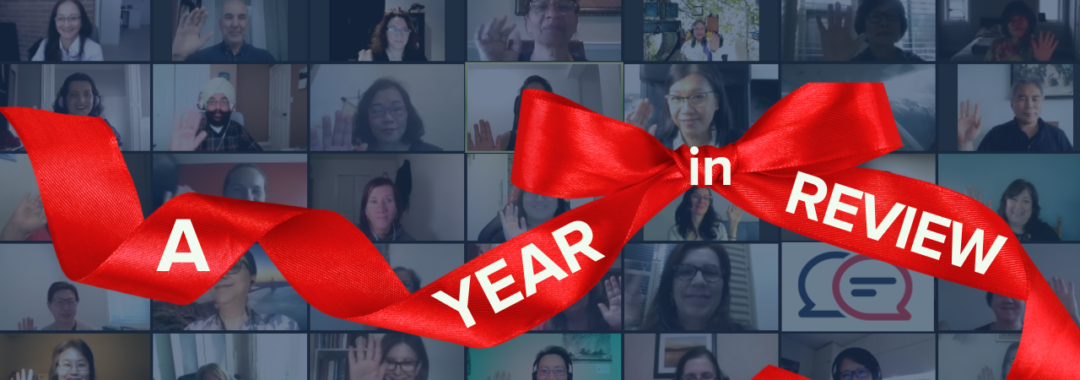
a year in review banner

Reflecting on a Remarkable Year at The Interpreter’s Lab: A Year in Review

A Review and Preview in Wink

As we say goodbye to 2023, it’s time to take a moment to look back and celebrate the incredible journey we’ve had at The Interpreter’s Lab. This year has been filled with milestones, growth, and meaningful collaborations that have significantly contributed to our mission of empowering individuals to excel in the field of interpretation. Watch our short video on TIL’s Speakers Series 2023 and what’s coming up in 2024.


Empowering Students: Over 100 Students Trained

We are so proud of the contributions we make in advancing the professional and career opportunities for our students. This past year, TIL successfully trained over 100 students in our comprehensive courses. These individuals are now equipped with the skills and knowledge needed to thrive in the dynamic world of interpretation. And they have become a part of the TIL community.

Collaborative Projects that Make a Difference

One of the highlights of our year was our collaboration with Vancouver Community College, and The Provincial Language Service (a program of the PHSA) under the leadership of OPTIONS BC. This multiagency project provided over 150 hours of training in community and healthcare/complex care settings to 2 cohorts of students. Working together on projects that make a difference has allowed us to contribute to the broader community and make a positive difference in the lives of those we serve, and to meet our mission as an organization.

TIL Membership – Welcoming New Members to the Community

Throughout the year, we hosted monthly workshops for our members, fostering continuous learning and professional development. It’s with great joy that we welcomed 20 new members to our community, each bringing a unique perspective and contributing to the rich tapestry of The Interpreter’s Lab.

It is with deep gratitude that we thank all of our TIL Members. With you we hope to continue building a strong and supportive community.

Join us at The Lab and explore a supportive and engaging community.

Stellar Instructors Join the Team

Our success is undoubtedly attributed to the dedication and expertise of our exceptional instructors. This year, we were fortunate to welcome outstanding professionals to our team, enriching the learning experience for our students and ensuring the highest quality of education. We would like to welcome and thank the following:

  • Debra Russell
  • Jane Langes
  • Leyli Niknafs
  • Dana Zlenko
  • Olga Bondarenko

For their contributions to our courses, students and collaborative projects.

And welcome:

  • Jeff Staflund to the Team

We also want thank and acknowledge all of the individuals that have contributed to the development and growth of The Interpreter’s Lab. See them all on our About page

We look forward to an exciting year ahead.

Revamped Course and Website Upgrade

At TIL, we take pride in our proactive approach to interpreter education. Since 2012, we’ve been dedicated to teaching and training bilinguals to work in various settings, including community, healthcare, mental health, court and law enforcement. Throughout this journey, we’ve consistently ensured that our courses remain dynamic and relevant. Our commitment to staying at the forefront is evident in the continuous updating of our content, which incorporates the latest research and embraces promising practices in interpreter training. This year we took an even bigger step into keeping things current, and in light of the evolving demands, we took on the revitalization of our flagship course, “Interpreting in Community Setting.” This foundational program now better equips bilingual individuals to navigate the complexities of professional interpretation across various settings. Simultaneously, we revamped our website, providing a more user-friendly experience for our valued members.

Heartfelt Gratitude to Our Partners and Supporters 

We extend our deepest gratitude to the professionals who have supported our work and our incredible team throughout the year. Your unwavering commitment to excellence has been the driving force behind our success, and we are truly thankful for your continued support.

Looking Ahead to 2024: Join Us on the Journey

As we step into the new year, The Interpreter’s Lab is excited to announce that we have even more to offer in 2024. We invite you to join us on this journey of growth, collaboration, and empowerment. Whether you’re a seasoned professional or just starting in the field, there’s a place for you in our vibrant community.

Here’s to another year of achievement, learning, and making a positive impact together. Thank you for being a part of The Interpreter’s Lab family. Cheers to 2024!

Angela, Donna and Analisa